Must Know Communication Strategies for High-Risk Environments

In high-risk environments, clear communication is critical for safety and rapid response. This article explores key strategies for security professionals, including emergency protocols, information sharing networks, crisis communication plans, secure communication technologies, training, and phone tree warden systems. Learn how to optimize communication for efficient operations and ensure personnel safety in any situation.
Building a Skilled Security Team for High-Risk Settings
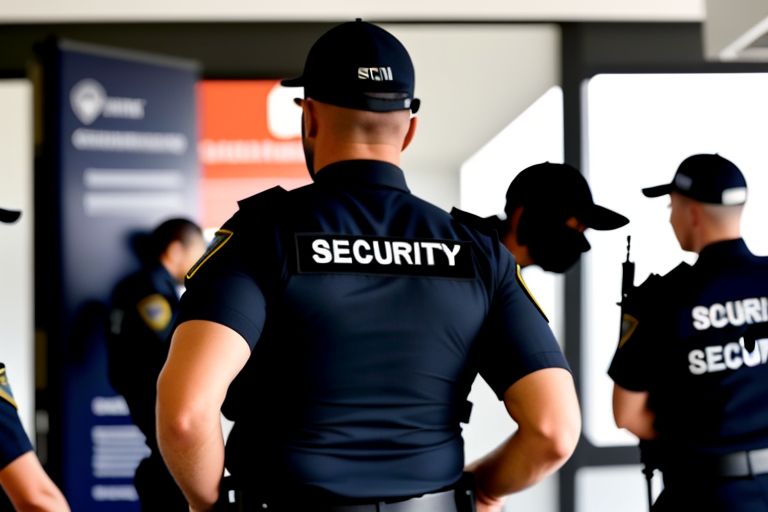
In high-risk environments, the success of security operations hinges on a skilled and resilient team. From rigorous recruitment and specialized training to local integration and stress management, every aspect plays a crucial role. Discover essential strategies and best practices to build and maintain an effective security team capable of tackling dynamic challenges.
Security in High-Risk Environments: Methods and Case Studies

Securing high-risk environments requires specialized measures, including robust physical security, advanced cybersecurity, effective communication, skilled security teams, and cultural sensitivity. Learn best practices and real-world examples for protecting areas prone to conflict or criminal activity.
Retail Security: Challenges and Mitigation Strategies

Retail environments face significant security challenges from shoplifting, internal theft, and cybersecurity threats. This comprehensive article explores strategies like advanced surveillance and inventory management to protect assets and ensure a secure shopping experience. Learn how retailers can mitigate risks and enhance security to safeguard their business and customers effectively.
Fire Safety Fundamentals: Prevention, Protection, and Response

Protect lives & property with fire safety. Understand fire, its causes, & prevention. Learn fire types, extinguisher use, & escape plans. Be prepared, stay safe!
The Ultimate Guide to Physical and Cyber Security Integration
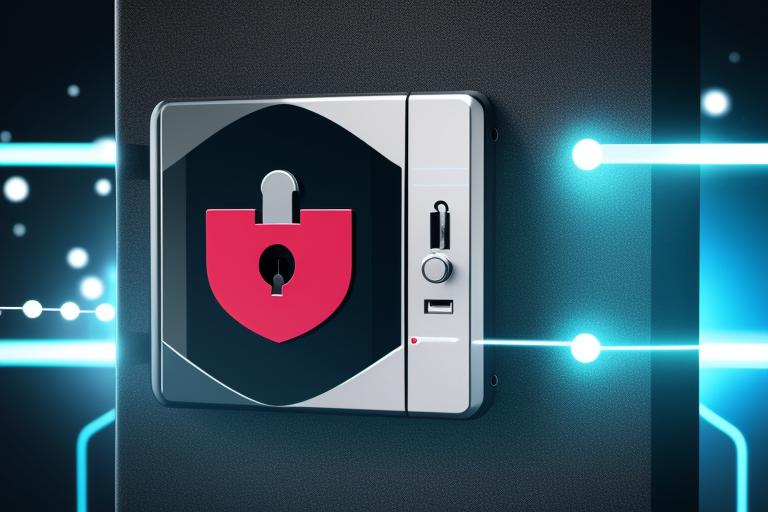
Integrating physical and cyber security is crucial in today’s interconnected world. This guide explores the convergence of these domains, key components of a comprehensive security plan, and strategies for successful integration. Learn how to enhance your security posture by merging physical and cyber defenses to address modern threats effectively.
Personal Security Awareness: Protecting Yourself in an Unpredictable World

In today’s fast-paced world, personal safety often takes a backseat to daily responsibilities and obligations. However, prioritizing security awareness and adopting proactive measures can significantly reduce vulnerability to threats. This article explores essential principles of personal safety, including the S.A.F.E.R. approach, situational awareness, avoiding routines, and exercising common sense. By staying alert, trusting your instincts, and being prepared, you can enhance your personal security and navigate an unpredictable world with confidence.
Physical Security Fundamentals: Importance & Key Components

Physical Security Fundamentals are essential for safeguarding assets and personnel. Implementing robust measures like access control, surveillance, and security personnel is crucial for creating a secure environment.
Enhanced Risk Assessment with Technology: Elevate Your Security Strategy

Leverage technology to revolutionize risk assessment. Advancements in drones, handheld devices, and software enhance threat identification and analysis. Combine these tools with expert analysis for comprehensive security solutions.
Effective Risk Management Strategies: Protect Your Assets and People
Effective risk management is crucial for organizational success. Identify potential threats, assess their impact, and implement strategies to mitigate risks. By proactively addressing vulnerabilities, you can protect your assets, reputation, and bottom line.