Why Every Company Needs an Incident Response Plan

Learn why every company needs an incident response plan to mitigate cybersecurity risks, physical security threats, and ensure business continuity.
Checklists in Health and Safety Audits: Powers and Pitfalls

Learn how checklists in health and safety inspections ensure workplace safety, promote compliance, and improve hazard identification strategies.
Enhancing Physical Security: The Vital Role of Security Training and Drills

Discover the importance of security training and drills for enhancing physical security. Learn how regular training ensures emergency preparedness.
Safeguarding Lives: A Comprehensive Guide to Healthcare Security in 2024

Discover comprehensive strategies for healthcare security in 2024. Protect patients, staff, and data in hospitals, clinics, and pharmacies.
The Psychology of Security: Human Behavior and Effective Security Measures

Discover the psychology of security and how understanding human behavior in threat scenarios can improve security strategies.
Mastering Security Incident Response: Steps to Ensure Organizational and Physical Security

Security incident response is crucial for managing breaches. Learn key strategies for effective recovery and minimizing damage.
Unlocking the Future: Access Control Systems for Enhanced Facility Security

Explore the best practices, challenges, and emerging trends in Access Control Systems to enhance facility security and protect against unauthorized access.
Advanced Driving Skills: A Guide for Security Professionals

Discover how to master advanced driving skills crucial for security professionals. From high-speed maneuvers to evasive tactics, this comprehensive guide covers essential techniques for optimal performance and safety in high-pressure situations.
Event Security Management: Essential Strategies for Safe and Successful Events

Event security management is crucial for safeguarding attendees, property, and reputation. It involves comprehensive risk assessment, strategic planning, and implementation of various security measures. From access control and surveillance to emergency response protocols, effective event security management requires a multifaceted approach. Collaboration with law enforcement, utilization of modern technology, and continuous evaluation are key to ensuring safe and successful events.
Must Know Communication Strategies for High-Risk Environments

In high-risk environments, clear communication is critical for safety and rapid response. This article explores key strategies for security professionals, including emergency protocols, information sharing networks, crisis communication plans, secure communication technologies, training, and phone tree warden systems. Learn how to optimize communication for efficient operations and ensure personnel safety in any situation.
Building a Skilled Security Team for High-Risk Settings
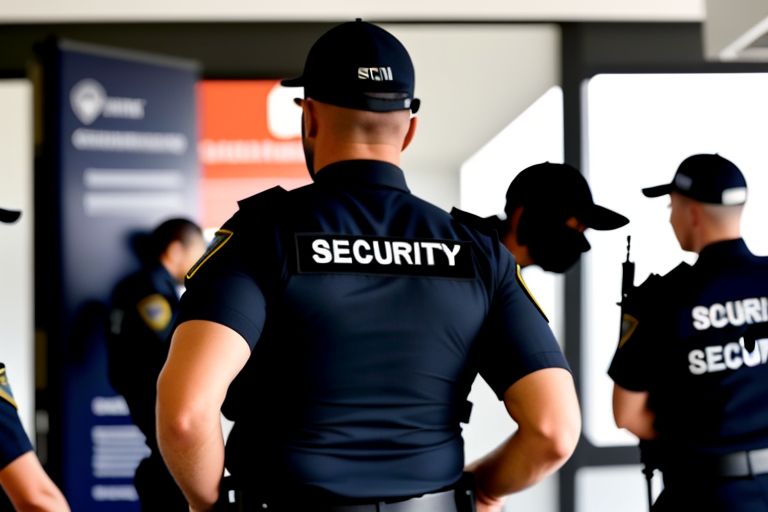
In high-risk environments, the success of security operations hinges on a skilled and resilient team. From rigorous recruitment and specialized training to local integration and stress management, every aspect plays a crucial role. Discover essential strategies and best practices to build and maintain an effective security team capable of tackling dynamic challenges.
Security in High-Risk Environments: Methods and Case Studies

Securing high-risk environments requires specialized measures, including robust physical security, advanced cybersecurity, effective communication, skilled security teams, and cultural sensitivity. Learn best practices and real-world examples for protecting areas prone to conflict or criminal activity.